

What Happens If You Delay Replacing a Missing Tooth?
Your Mouth Does Not Simply Stay the Same After Tooth Loss
A Missing Tooth Is More Than an Empty Space
Quick Summary
- Bone remodels naturally: Once a tooth root is gone, the surrounding jawbone loses functional stimulation and gradually reduces in volume over time.
- Surrounding teeth can shift: Neighboring teeth may tilt into the open gap, while opposing teeth can slowly erupt downward or upward into the space.
- Delay does not mean disqualification: Waiting months or years does not automatically mean you cannot receive a dental implant or that you will definitely need a bone graft.
- Planning starts with current anatomy: Clinical decisions depend on your bone volume, gum architecture, and bite balance today, which can be evaluated accurately using a 3D assessment.
When a tooth is lost, it is easy to view the result as an isolated gap in an otherwise stable smile. Many people adapt quickly, especially if the missing tooth is located toward the back of the mouth where it does not affect everyday social interactions.
However, your oral environment is dynamic rather than static. Teeth, gum tissue, and underlying bone exist in a continuous state of balanced interaction. Each tooth relies on its neighbors for lateral support and meets its opposing counterpart during chewing to maintain vertical stability.
When one component is removed, the physical forces that keep everything aligned begin to shift. The space does not merely sit idle. Instead, the surrounding structures gradually adapt to the absence of physical contact and stimulation.
The Important Question Is What Changes Around the Gap
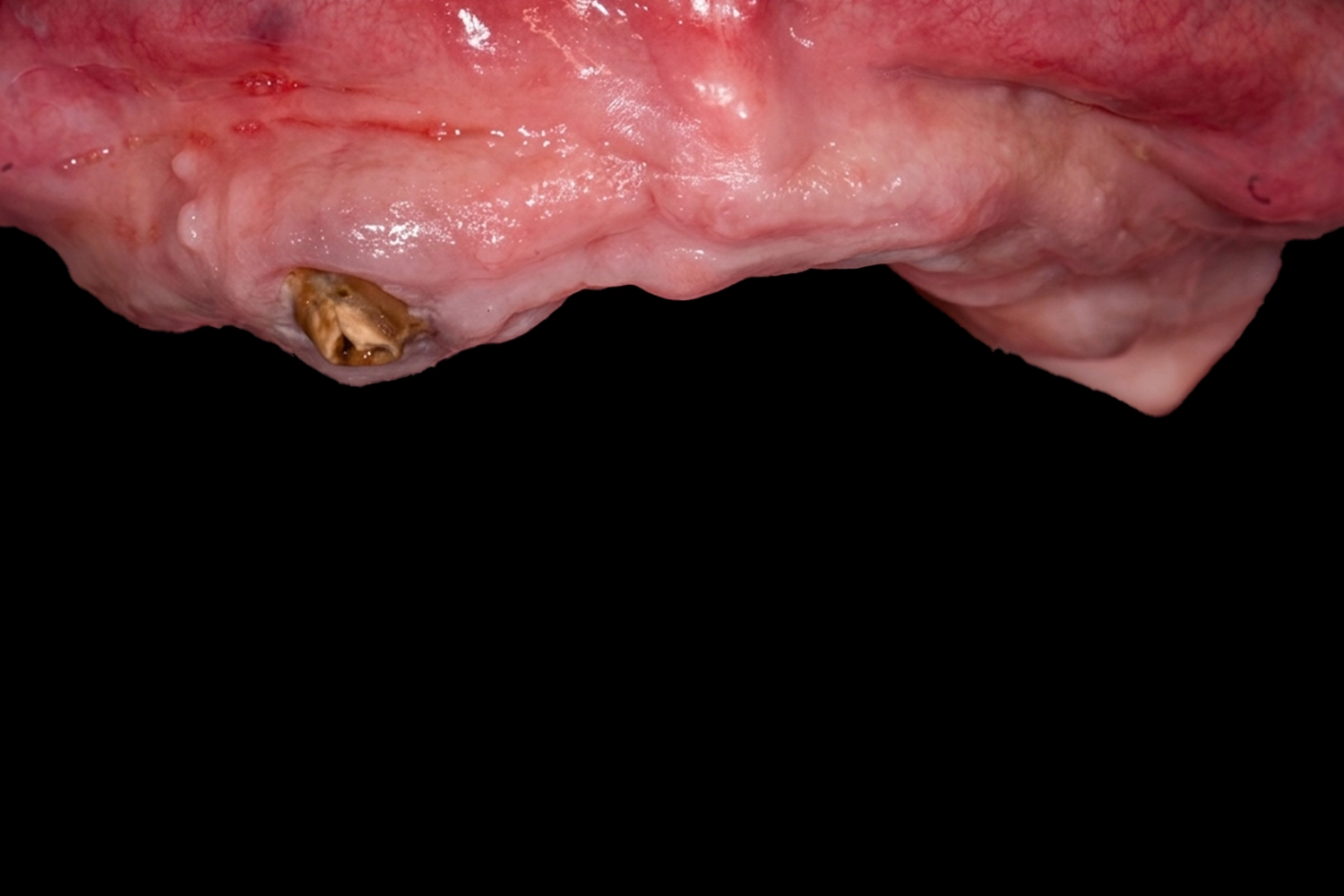
Focusing only on the visible space can obscure what is occurring beneath the surface and along the dental arch. The real clinical question is not just how the gap looks today, but how the neighboring biological structures behave over time.
As time passes, changes can occur in three distinct areas:
- The underlying jawbone, which previously anchored the tooth root.
- The adjacent teeth, which no longer have lateral resistance holding them upright.
- The opposing bite, which no longer meets resistance during normal chewing cycles.
Understanding these biological changes allows you to evaluate your oral health with clarity rather than uncertainty.
What Changes After You Lose a Tooth?
The Bone Begins to Remodel
Jawbone tissue requires physical stimulation to maintain its density and shape, much like muscle tissue requires regular exercise. Natural tooth roots transmit functional chewing forces directly into the surrounding alveolar bone.
When a root is missing, that localized stimulation stops. The body responds through a natural biological process known as bone remodeling or resorption. Over time, the ridge of bone that once held the tooth begins to narrow and decrease in vertical height.
This process varies significantly from person to person. Some individuals experience slow, minimal changes, while others experience more rapid reduction in bone volume. While bone loss does not cause immediate discomfort, it changes the anatomical foundation available for future restorative treatments.
The Teeth Around the Space May Adapt
Teeth do not have fixed anchors in stone; they are suspended in bone by flexible periodontal ligaments. Because of this, teeth naturally drift toward areas of less resistance if nothing stops them.
When a gap remains open, the teeth on either side may slowly tilt or lean into the empty space. At the same time, the opposing tooth in the opposite jaw may begin to overerupt, moving out of its socket because it no longer meets a surface when you bite down.
These subtle shifts can create small food traps, alter contact points, and reduce the space available for a natural-looking replacement tooth later on.
Your Bite Can Change, But Not in Every Patient
When teeth shift out of position, the way your upper and lower arches meet can alter. This is known as an occlusal change.
If several teeth drift or tilt, chewing forces are redistributed unevenly across the remaining teeth. Some patients notice that they begin chewing predominantly on one side, which places uneven mechanical wear on specific enamel surfaces.
It is important to emphasize that this does not happen automatically to every individual. Factors such as your natural bite pattern, the specific location of the missing tooth, and your muscular habits all influence whether your bite remains stable or begins to change.
Why Can Waiting Matter If You Eventually Want an Implant?
An Implant Needs More Than an Empty Space
A dental implant is designed to replace both the root and the crown of a missing tooth. For an implant to be stable and durable over the long term, it requires an adequate volume of healthy bone to integrate with securely.
It also requires sufficient physical width and height between adjacent teeth so the final restoration can emerge naturally from the gum line. If significant bone remodeling has occurred, or if neighboring crowns have tilted inward, placing an implant becomes more technically complex.
Addressing these changes requires detailed planning to ensure that the implant fixture is positioned safely away from vital nerves and anatomical boundaries while supporting balanced chewing function.
Waiting Does Not Automatically Mean You Will Need a Bone Graft
A common misconception is that delaying tooth replacement automatically guarantees that you will require extensive bone grafting. While prolonged absence of a tooth root can lead to diminished bone volume, this is not an absolute outcome for every patient.
Individual biology plays an important role. Many patients retain adequate bone density and width even after living with an empty space for an extended period.
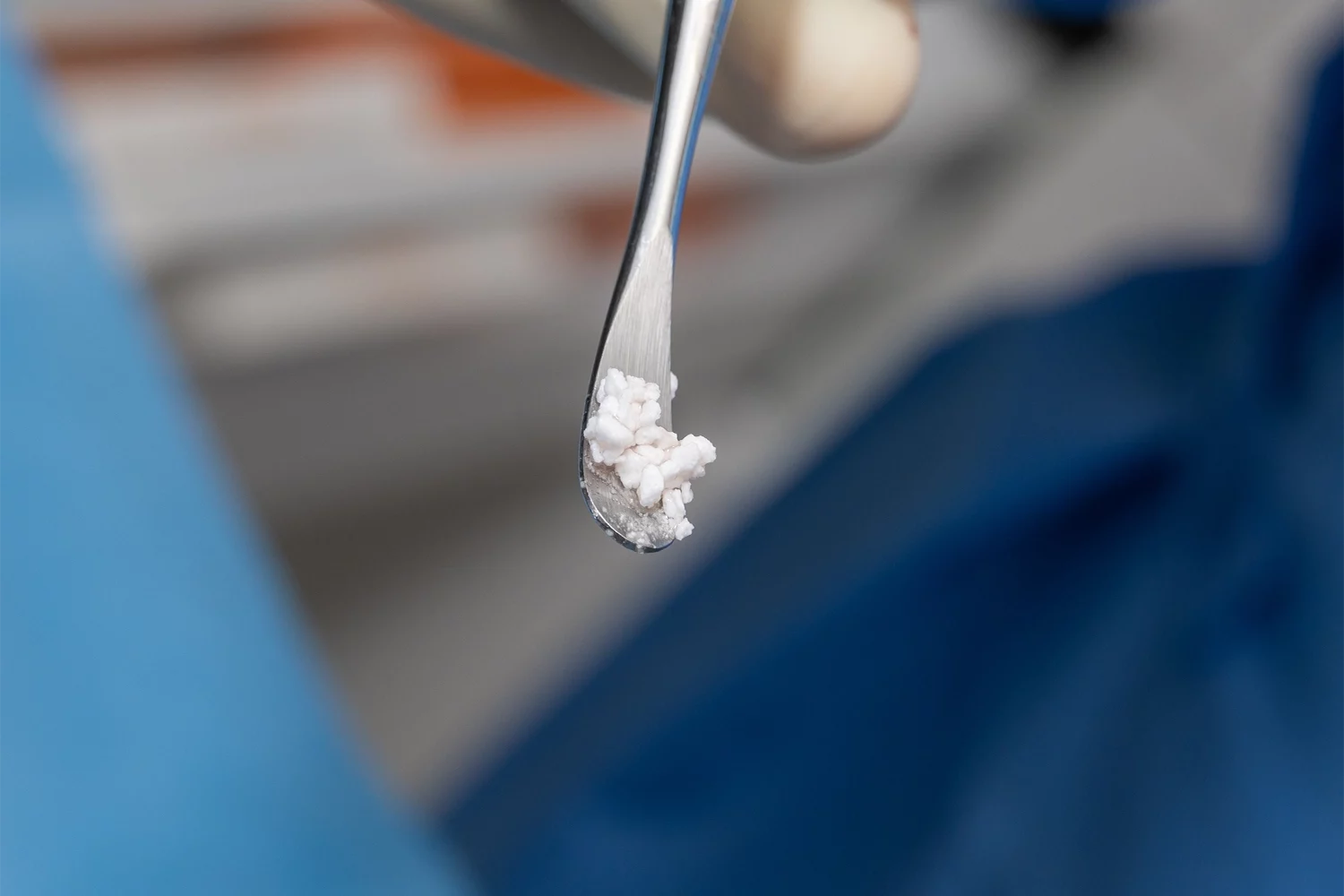
If bone volume has diminished, modern preparatory techniques such as guided bone regeneration can often restore the necessary foundation. Waiting may introduce additional clinical considerations, but it rarely eliminates your options entirely.
Does It Mean You Have Missed Your Chance?
It Is Not Simply About How Long You Have Waited
Patients who have lived with a missing tooth for years often assume that too much time has passed to consider a fixed replacement. They worry that their window of opportunity has closed permanently.
In clinical practice, chronological time is only one piece of the puzzle. The human body does not follow a rigid calendar. Two patients who lost a tooth five years ago may present with entirely different anatomical conditions today based on their genetics, oral hygiene, and systemic health.
You have not missed your chance simply because time has elapsed. What matters is taking an objective look at your current condition rather than making assumptions based on the past.
It Is About the Anatomy You Have Today
Your candidacy for a dental implant or another restorative solution depends entirely on your anatomy right now.
A thorough clinical evaluation looks at:
- The current width, height, and density of your jawbone.
- The position, angulation, and root stability of adjacent teeth.
- The health and thickness of the surrounding gum tissue.
- The functional space available for an anatomically correct crown.
Modern restorative dentistry focuses on working with the anatomy present today, identifying any necessary preparatory steps, and charting a predictable course forward.
How Dr. Alex Fneiche Approaches a Missing Tooth Before Implant Planning
Planning Starts With the Final Tooth in Mind
In the clinics of Dr. Alex Fneiche in Brussels and Trazegnies, implant planning is approached from a restorative perspective. Rather than simply placing an implant where bone happens to be easiest to find, the treatment is planned backward from the ideal final tooth.
This method, known as prosthetically driven planning, begins by determining where the replacement crown needs to sit to provide balanced chewing and a natural appearance.
Once the ideal tooth position is defined digitally, the exact angle, depth, and placement of the supporting implant are established. This front-loaded planning ensures that the final result feels integrated rather than improvised.
Assessing Bone, Soft Tissue and the Surrounding Teeth
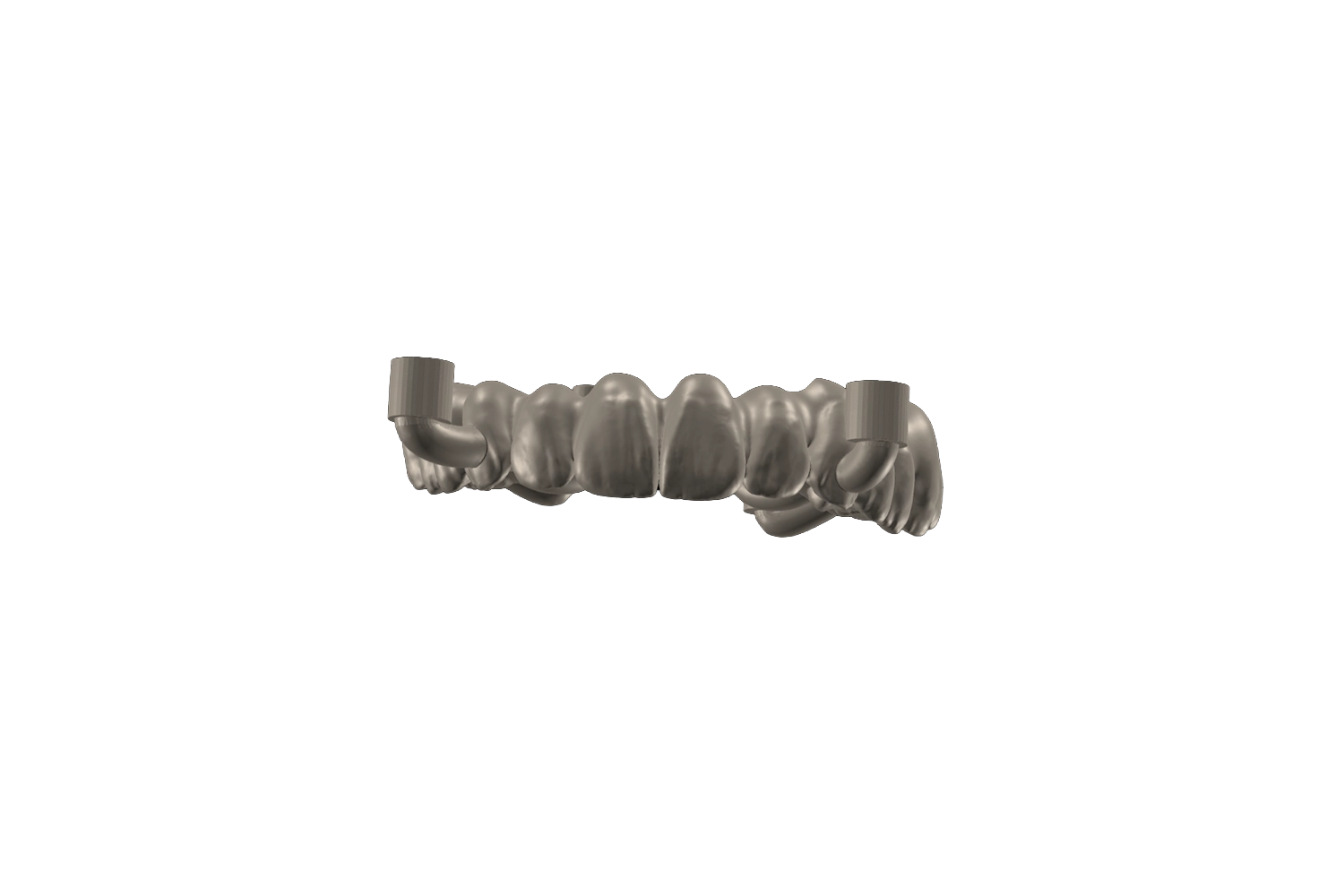
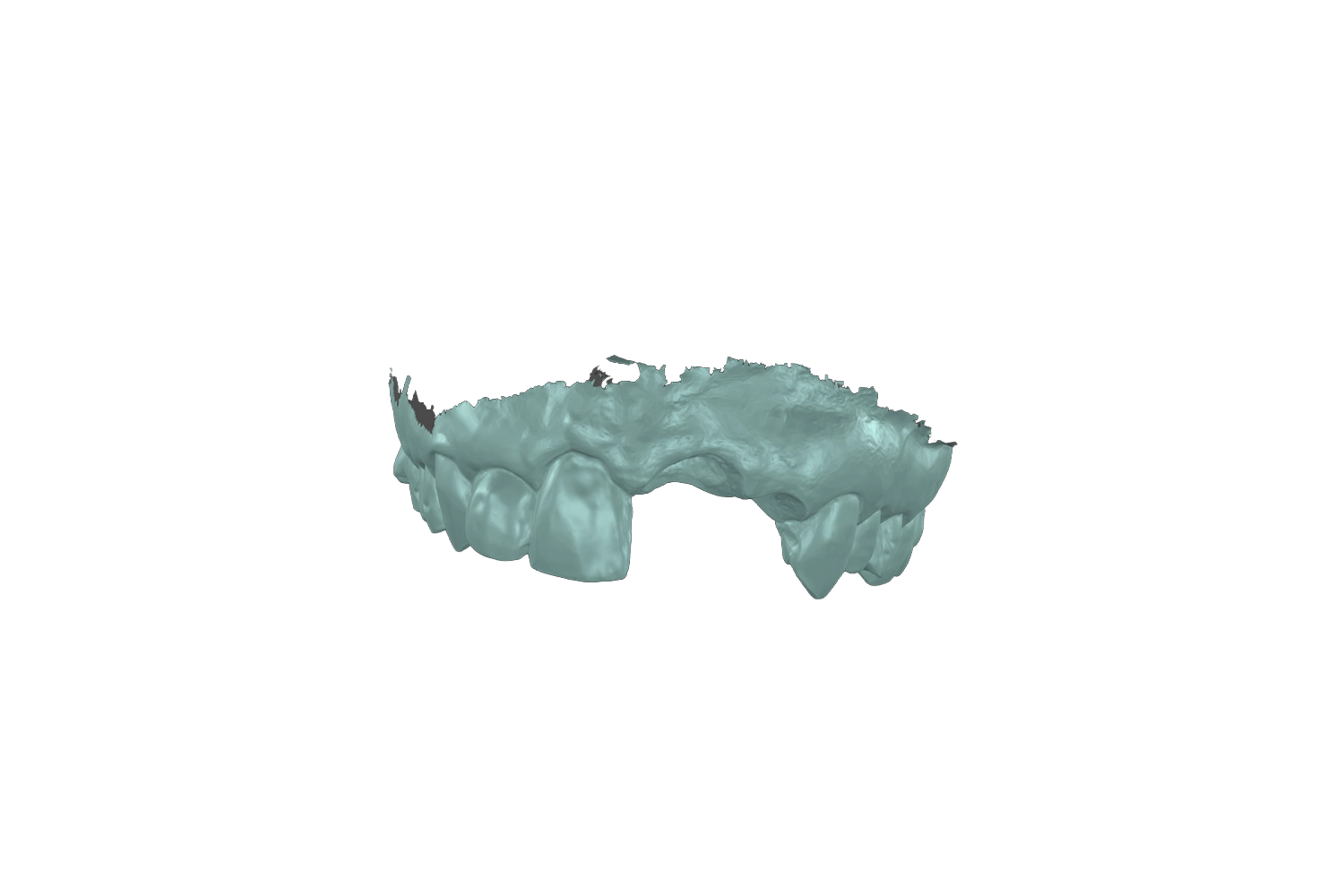
Before any clinical procedure is recommended, Dr. Alex Fneiche conducts a comprehensive diagnostic assessment using advanced 3D imaging.
This assessment evaluates several critical parameters:
- Bone architecture: Assessing volumetric dimensions to ensure safe distances from anatomical landmarks.
- Soft tissue contours: Checking gum quality to support a healthy emergence profile and long-term hygiene.
- Adjacent tooth positions: Verifying whether surrounding teeth have drifted and measuring available restorative space.
- Occlusal dynamics: Ensuring that the proposed restoration will participate evenly in your bite without absorbing excessive force.
This structured diagnostic evaluation provides a clear, objective picture of your oral health before any treatment commitments are made.
The Goal Is Not Simply to Replace the Missing Tooth
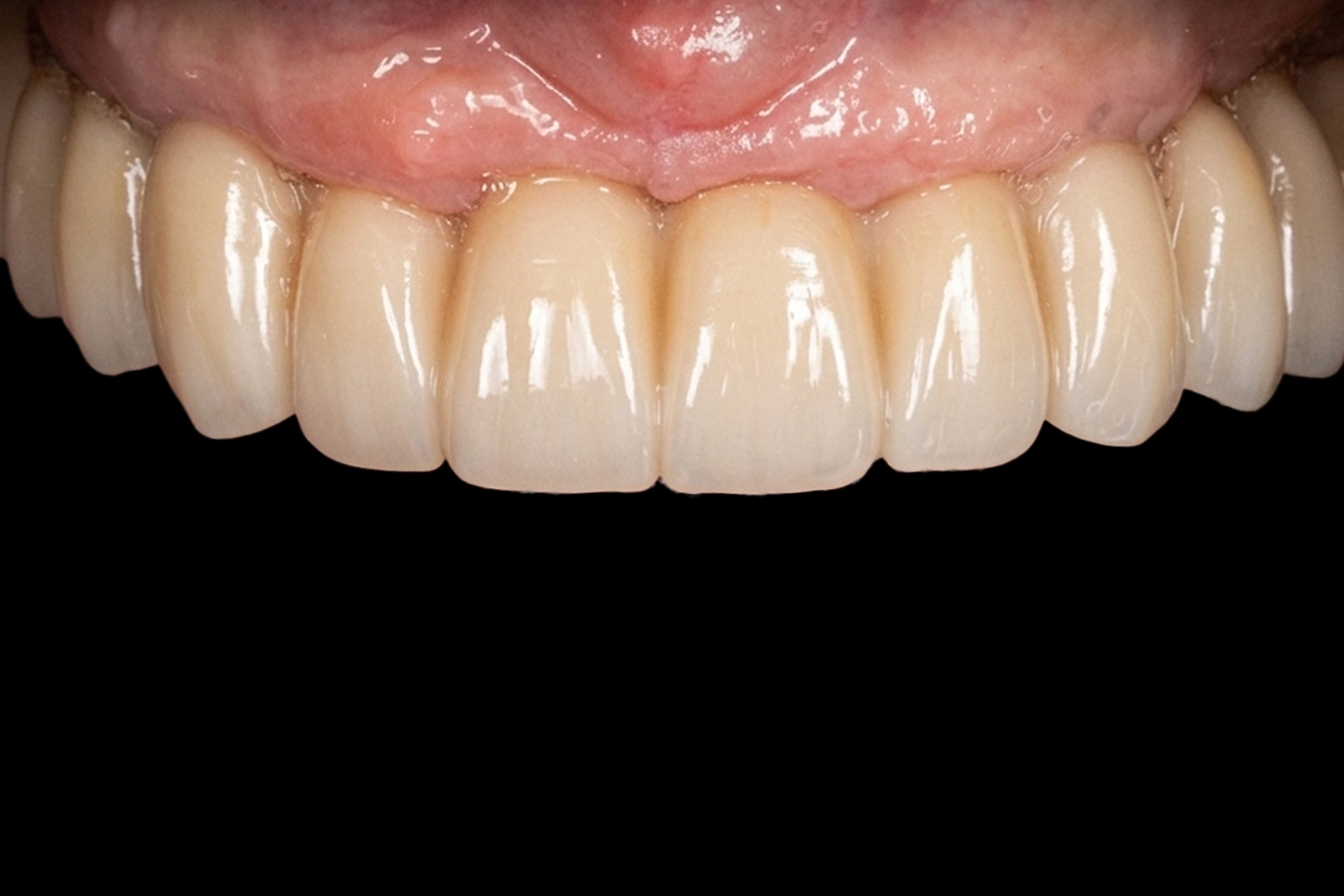
A successful dental restoration should do more than fill a visible gap. The objective is to restore harmony, chewing stability, and long-term functional balance to the entire mouth.
By utilizing digital planning tools and surgical guides when clinically indicated, the procedure is designed to be controlled, minimally disruptive to surrounding tissues, and predictable.
The focus remains on creating a replacement that functions like natural dentition, harmonizes with your smile, and protects your surrounding oral health for the years ahead.
What Should You Do If You Have Been Living With a Missing Tooth?
Start With an Assessment, Not a Treatment Decision
If you have been living with a missing tooth, you do not need to commit to surgery or make an immediate financial investment to find out where you stand. The most practical first step is simply gathering clear, objective information about your mouth.
An initial consultation allows you to explore your options without pressure. It gives you the opportunity to ask questions, understand the biological state of your jaw and teeth, and review potential treatment paths.
Making an informed choice begins with understanding your baseline health, which allows you to proceed with confidence whenever you feel ready.
A 3D Assessment Can Show What Has Actually Changed
Rather than guessing whether your bone has remodeled or your teeth have shifted, a comprehensive 3D scan provides definitive visual answers.
During an assessment with Dr. Alex Fneiche, this imaging allows you to see your bone structure, adjacent roots, and bite alignment clearly. You will receive a transparent breakdown of:
- Whether an implant is suitable for your specific clinical situation.
- What preparatory steps, if any, are recommended.
- The anticipated timeline and written cost overview for your care.
Knowing your current clinical reality replaces uncertainty with structure, helping you decide on the path that best supports your long-term health and comfort.
Book Your Assessment with Dr. Alex Fneiche
If you are considering replacing a missing tooth and want clear, clinically reasoned answers about your current anatomy, scheduling a consultation is the natural next step.
Dr. Alex Fneiche welcomes patients at his clinics in Brussels and Trazegnies, as well as surrounding communities including Charleroi, Mons, and La Louvière. During your visit, you will receive a thorough 3D evaluation, a transparent explanation of your options, and a clear, structured plan tailored to your long-term oral health.
Book Your Assessment with Dr. Alex FneicheFrequently Asked Questions (FAQ)
Q1: Can I still get a dental implant if my tooth has been missing for several years?
Yes, having a missing tooth for several years does not automatically disqualify you from getting a dental implant. While bone resorption occurs naturally over time, the rate of bone loss varies widely between individuals. During your initial consultation, a 3D radiographic assessment will evaluate your current bone height, width, and density. Even if localized bone volume has decreased, modern regenerative protocols such as bone grafting can rebuild the necessary foundation for a stable, long-lasting implant.
Q2: Does waiting to replace a missing tooth always mean I will need a bone graft?
No, waiting does not mean a bone graft is guaranteed. Bone remodeling depends on individual genetics, systemic health, local vascular supply, and bite forces. Many patients who have had an empty gap for a decade retain sufficient cortical and trabecular bone to secure an implant fixture safely. Only a comprehensive 3D volumetric scan can confirm whether direct placement is possible or if preparatory bone enhancement is required.
Q3: What happens if my adjacent teeth have already tilted into the gap?
When a tooth is missing, adjacent teeth may gradually lean inward and the opposing tooth can overerupt, reducing the restorative space. In mild cases, custom prosthetic design and prosthetically driven planning allow an anatomically correct crown to fit comfortably. In cases with pronounced movement, minor orthodontic alignment or selective occlusal adjustment might be recommended before placing the final implant crown to ensure proper chewing balance and cleanability.
Q4: Why is prosthetically driven implant planning safer than placing an implant freehand?
Prosthetically driven planning begins with the ideal final tooth in mind rather than simply anchoring a fixture where bone is easiest to find. By digitally pre-determining the precise three-dimensional position, depth, and angulation before entering the operatory, the clinician protects surrounding nerves, tooth roots, and sinus cavities. When clinically indicated, 3D computer-aided surgical guides transfer this virtual plan directly to the clinical procedure, making the intervention predictable and minimally invasive.
Q5: Is the surgical placement of a dental implant painful?
The placement of a dental implant is performed under modern local anesthesia, meaning you should feel pressure and mechanical vibration, but not acute pain during the procedure. Because advance digital diagnostics map the anatomical site beforehand, tissue disruption is kept to a minimum. Most patients report that postoperative discomfort is mild and easily managed with standard over-the-counter pain relief, often feeling less disruptive than a complex tooth extraction.
Q6: How much does a dental implant cost, and are there hidden fees?
At our clinics, treatment begins with radical financial transparency. Dental implant fixtures typically start from €900, accompanied by a clear, itemized written treatment plan provided before any treatment begins. Because clinical situations vary, additional components such as the final custom crown, diagnostic 3D imaging, surgical guides, or bone regeneration procedures are fully outlined upfront. You will know the exact investment and clinical stages before making a commitment.
Q7: Can I receive a temporary tooth on the same day as my implant surgery?
Yes, immediate provisionalization is possible in clinically suitable cases, especially in the visible aesthetic zone. To place a same-day temporary crown, the underlying jawbone must allow for high primary stability (adequate insertion torque) at the moment of implant placement. If the bone density or initial stability does not support immediate loading, a protected healing protocol is followed to allow proper osseointegration before placing your custom-designed final crown.
Q8: Do you welcome patients from outside Brussels and Trazegnies?
Yes, our clinics regularly care for patients traveling from across the entire Wallonia and Brussels-Capital regions. Alongside our direct communities in Brussels and Trazegnies, we frequently treat patients coming from Charleroi, Mons, La Louvière, Soignies, and Braine-le-Comte who are seeking advanced 3D digital implant planning, complex restorative evaluations, or reliable second opinions for compromised bone anatomy.